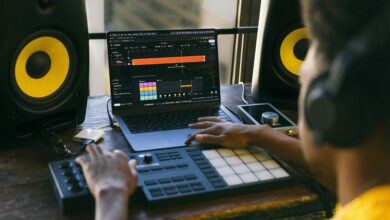
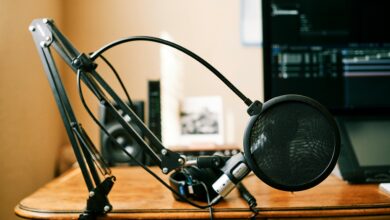
The world of digital audio broadcasting is currently undergoing a massive structural shift as we move away from manual editing toward fully autonomous production workflows. For years, creators struggled with the grueling process of recording, cleaning audio, cutting dead air, and generating marketing materials, which often took ten times longer than the actual recording. Best agentic AI podcast production tools have emerged as the definitive solution to this bottleneck, offering a level of proactive management that traditional editing software simply cannot match. These advanced agents do not just follow a list of commands; they possess the reasoning capabilities to identify the best segments of an interview, suggest titles based on audience sentiment, and even coordinate the distribution of content across multiple social platforms.
By integrating these autonomous agents into your creative life, you can effectively delegate the “technical” part of podcasting to a system that operates with robotic precision. This shift is fundamentally changing how independent creators and large media houses produce high-quality audio in an increasingly crowded global market. As these models become more sophisticated, the barrier between a hobbyist and a professional studio is finally collapsing. Understanding how to leverage these tools is the key to achieving true creative sovereignty and long-term audience growth in a digital-first world.
The Architectural Foundation of Agentic Audio Systems

To master your podcast production with AI, you first need to understand the technical layers that allow an agent to act as your virtual producer.
A. Autonomous Reasoning and Content Selection
Unlike a simple editing filter, an agentic system is given a high-level goal, such as “create a five-minute highlight reel that focuses on business advice.” The AI then listens to the entire episode, identifies relevant themes, and selects the most impactful quotes.
B. Real-Time Noise Profiles and Acoustic Correction
These agents are connected to vast databases of acoustic models. This allows the system to react to background noise, echo, or varying microphone qualities and fix them in milliseconds.
C. Execution Loops for Multi-Platform Mastering
The agent constantly monitors the final output against industry standards like LUFS loudness levels. This self-correcting loop ensures that your podcast sounds professional on everything from high-end car speakers to basic smartphone earbuds.
Revolutionizing the Pre-Production Phase
Podcast planning is being transformed from a research chore into a seamless, background process that prepares you for success.
A. Autonomous Guest Research and Briefing
Agentic AI can scan a guest’s entire digital history, from recent tweets to past interviews. It then generates a personalized briefing document with unique questions that haven’t been asked a hundred times before.
B. Dynamic Script Outline Generation
The agent analyzes trending topics in your niche to suggest a narrative flow for your episode. This ensures your content is always relevant to what your audience is currently searching for.
C. Automated Recording Environment Audits
Before you hit record, the agent can “listen” to your room and suggest changes. It might tell you to close a window or move closer to the mic to ensure the best possible raw audio quality.
Advanced Post-Production and Audio Engineering
The “magic” happens in post-production, where agents turn a raw conversation into a polished masterpiece.
A. Semantic Dead Air and Filler Word Removal
An agentic tool doesn’t just cut silence; it understands the rhythm of human speech. It knows the difference between a thoughtful pause and an awkward “um,” removing only what is necessary to maintain a natural flow.
B. Algorithmic Multi-Track Alignment
If you record with a guest over the internet, lag can ruin the timing. These agents automatically align separate tracks by matching waveforms and speech patterns with perfect accuracy.
C. Automated Sound Design and Score Integration
By utilizing a library of royalty-free music, agents can add background scores that match the emotional tone of the conversation. They can fade music in and out based on the intensity of the speaker’s voice.
Revolutionizing Content Distribution and Marketing
Once the audio is finished, the agent shifts its focus toward ensuring as many people as possible hear your work.
A. Predictive Clip Generation for Social Media
The agent identifies the most “viral” moments and creates short video clips for platforms like TikTok or Instagram. It automatically adds captions and formats the video to fit vertical screens.
B. Autonomous Show Note and Transcript Writing
Agents can write comprehensive show notes that summarize the episode and include time-stamped chapters. They ensure the text is engaging and provides a clear roadmap for the listener.
C. Dynamic Ad Insertion and Sponsorship Management
AI agents can identify natural breaks in the conversation to insert sponsorship messages. They can even swap out old ads for new ones in your entire back catalog, ensuring your old episodes continue to generate revenue.
The Role of Risk Mitigation in AI Audio
While autonomy is powerful, creators must have strict boundaries to prevent the AI from making creative or technical errors.
A. User-Defined Creative Thresholds
You set the “creative limit” for the AI, determining how much it can edit without your final approval. This keeps you in ultimate control of your voice while the AI handles the heavy lifting.
B. Voice Identity and Biometric Protection
Premium tools use advanced encryption to protect your voice model. This prevents unauthorized users from using your vocal likeness to create “fake” episodes or messages.
C. Compliance and Copyright Monitoring
The agent scans your finished episode to ensure you haven’t accidentally used copyrighted music or material. This protects you from legal strikes and platform takedowns before you publish.
Integrating AI with Distribution Platforms
The connection between your AI producer and hosting platforms is becoming more seamless through specialized APIs.
A. Unified Multi-Platform Upload Workflows
Agents can “talk” to Apple Podcasts, Spotify, and YouTube simultaneously. This allows for a one-click publishing process that reaches all your listeners at once.
B. Cross-Platform Analytics Synthesis
The agent pulls data from every platform to give you a holistic view of your audience. It tells you exactly where people are dropping off and what they are enjoying the most.
C. Automated Newsletter and Blog Integration
When an episode goes live, the agent can automatically draft a newsletter or a blog post based on the transcript. This ensures your content ecosystem is always updated across all channels.
Enhancing Engagement with AI Interaction
Podcast agents are helping creators build deeper relationships with their communities.
A. Autonomous Listener Comment Analysis
The agent reads through hundreds of comments to find the most common questions or feedback. It presents these to you in a summary, so you know exactly what to talk about in the next episode.
B. Dynamic FAQ Generation for Episodes
Based on the conversation, the agent can create an “Extended FAQ” for your website. This provides extra value to your listeners and answers questions you might have missed during the recording.
C. Personalized Listener Shout-Out Suggestions
The AI can identify your most loyal fans based on their interaction history. It suggests names to mention during the show to build a sense of community and appreciation.
The Human-AI Partnership in Modern Media
We are not being replaced by machines; we are being upgraded to reach higher levels of creative output.
A. Strategic Creative Support
The AI handles the repetitive data, but you make the high-level narrative choices. It provides the “data” behind every recommendation, allowing you to learn what works best for your brand.
B. Burnout Prevention and Consistency
Podcasting is famous for “podfade” where creators quit due to exhaustion. An agentic system removes the stress of editing, allowing you to focus on the fun part—talking and connecting.
C. Continuous Technical Education
As the agent fixes your audio, it can explain why it made certain choices. This turns your production tool into a personal tutor that improves your engineering skills every day.
Future Horizons: The Fully Autonomous Network
Eventually, we will see the rise of podcast networks that run entirely with minimal human intervention.
A. AI-Driven Guest Matching and Scheduling
Agents from different podcasts will “talk” to each other to schedule guest appearances. They will match guests with shows based on audience overlap and technical compatibility.
B. Self-Optimizing Content Engines
An AI could manage a network of shows that automatically adjust their format based on real-time global trends. If a topic becomes popular, the system will pivot the show’s focus to stay relevant.
C. The Creation of Universal Audio Markets
Eventually, all podcast content will be indexed in a way that allows agents to find and play the perfect segment for any listener at any time. This will be the ultimate expression of personalized digital radio.
Scalable Infrastructure for AI Media Production
The backend of these systems must be robust enough to handle the massive processing requirements of high-quality audio.
A. High-Performance Cloud Rendering
Processing hours of audio with AI requires significant “compute.” Premium platforms use specialized hardware to ensure your episode is ready in minutes rather than hours.
B. Vector Databases for Voice and Content Memory
The system uses “memory” to remember your past editing preferences and your specific voice profile. This allows the AI to get more personalized and efficient every time you use it.
C. Redundant Security and Fail-Safe Storage
Every recording is backed up across multiple secure servers to ensure you never lose a file. If your local computer crashes, the cloud agent has everything safe and ready to resume.
Conclusion

Agentic AI podcast production tools are the future of independent media and professional broadcasting. The shift toward autonomous audio workflows allows for a level of efficiency that was once completely out of reach for solo creators. These tools empower you to take back your time while the AI manages the technical math of sound engineering. Data security and vocal protection are the most important components of any modern podcasting platform. The integration of real-time audience data ensures that your content strategy is never based on guesswork.
Automated clip generation and social distribution are changing how podcasts grow their reach in a short-form world. The human-AI partnership is the key to navigating the complexities of the modern attention economy. Transparency and consistency are replacing the old era of “amateur” sound and irregular publishing schedules. Strategic content planning is now a 24/7 process that occurs with the help of intelligent software agents. Blockchain technology may eventually provide the necessary infrastructure for protecting the rights of voice creators.
The barrier to entry for high-quality audio production is falling as agentic AI becomes more affordable. Podcast literacy is naturally improving as creators interact with these intelligent and helpful production systems. The future of the podcast network is one that is self-optimizing and powered by autonomous creative logic. We are entering a golden age of audio for those who embrace these digital agents as their production partners. Ultimately, these tools are about providing everyone with the freedom to tell their story without technical barriers. Mastering the use of agentic podcasting tools is the most important creative skill for the next decade of media. Building a loyal audience is a journey that is made much smoother with a robotic producer by your side.