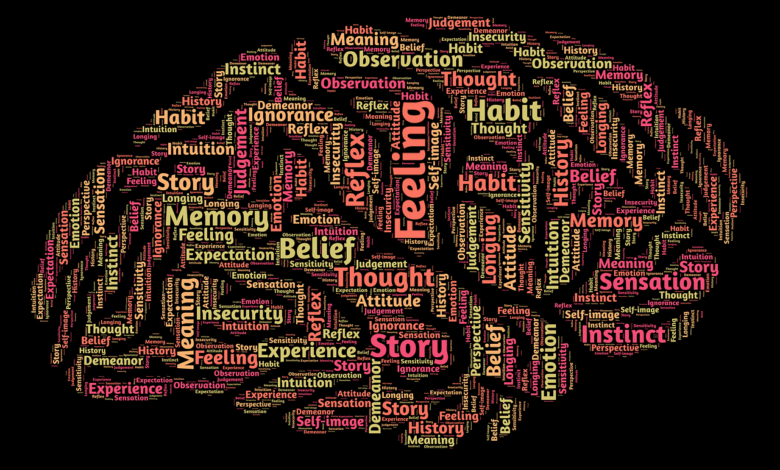
The human brain is naturally hardwired to respond to the cadence of the human voice, making audio storytelling one of the most intimate forms of communication available today. When we listen to a compelling narrative, our neural pathways begin to synchronize with the speaker in a phenomenon known as neural coupling. This deep connection goes beyond simple listening; it actually triggers the release of various neurochemicals that influence our emotions and memory retention. Modern neuroscientific research has revealed that the “theatre of the mind” is far more powerful than visual stimulation alone because it forces the brain to create its own imagery.
Successful podcasters and storytellers are now using these biological insights to craft content that captures attention and builds long-term loyalty. Understanding how the brain processes sound, rhythm, and narrative structure can turn a basic recording into an unforgettable psychological experience for the listener. As the digital landscape becomes increasingly crowded, those who master the science of the ear will have a significant advantage in the creator economy. This exploration into the intersection of biology and broadcasting will show you exactly why certain stories stick in our minds while others fade away instantly.
The Biology of the Listening Brain

Sound is not just a physical wave; it is a complex data stream that the brain interprets through the auditory cortex.
When we hear a story, the brain doesn’t just process the words; it activates the same areas that would be active if we were experiencing the events ourselves.
If a storyteller describes a delicious meal, the sensory cortex responsible for taste and smell lights up in the listener’s head.
This is why audio is often called the most “immersive” medium in existence. The brain acts as a co-creator, filling in the visual details based on individual past experiences and imagination.
This personal involvement creates a much stronger emotional bond than watching a movie where the visuals are provided for you.
Neuroscientists have found that “storytelling” is the most effective way to plant ideas into another person’s brain. By using specific narrative arcs, a speaker can induce the production of oxytocin, often called the “trust hormone.”
This chemical makes the listener feel more connected and sympathetic toward the narrator’s message and personal brand.
Core Principles of Neuro-Audio Design
A. Activating the Mirror Neuron System for Empathy.
B. Balancing Information Density to Prevent Cognitive Overload.
C. Harnessing the Power of Sonic Branding and Recognition.
D. Implementing Rhythmic Variation to Maintain Neural Arousal.
E. Leveraging Spatial Audio for Enhanced Immersion.
F. Utilizing Emotional Triggers to Stimulate Dopamine Release.
G. Writing for the Ear with Conversational Linguistics.
Neural Coupling and Synchronized Thinking
Neural coupling is perhaps the most fascinating discovery in the field of audio neuroscience. It occurs when the brain activity of the listener mirrors the brain activity of the storyteller with a slight time delay.
This means that for a few moments, two people are literally thinking in sync despite being miles apart or recording at different times.
To achieve this state, the storyteller must provide a clear and coherent narrative structure. If the story is too chaotic, the coupling breaks, and the listener’s brain becomes frustrated and tired.
Simple, relatable metaphors are the best tools for maintaining this high-level neural connection. When neural coupling is successful, the listener is far more likely to remember the key points of the message.
They feel a sense of “closeness” to the host that feels as real as a physical friendship. This “parasocial relationship” is the foundation of the most successful podcasting empires in the world today.
The Chemistry of the Perfect Hook
The first few minutes of an audio experience are critical because they determine the chemical state of the listener’s brain.
A great “hook” triggers the release of cortisol, which increases focus and alerts the brain that something important is happening.
However, too much stress can cause the listener to tune out, so you must quickly follow up with a “reward.” Dopamine is the brain’s reward chemical, and it is released when we encounter something new, exciting, or satisfying.
By resolving a small mystery or sharing a funny anecdote, you trigger a dopamine hit that keeps the listener wanting more.
This cycle of “tension and release” is the secret to high-retention audio content. Storytellers who master this chemical balance can keep an audience engaged for hours at a time.
It is about managing the listener’s energy levels through the art of “pacing” and “segmentation.” A well-timed pause or a shift in vocal tone can act as a mental reset button for a tired brain.
Essential Technical Capabilities for Immersion
A. Advanced Audio Processing for Vocal Clarity and Presence.
B. Binaural Recording Techniques for 3D Soundscapes.
C. Intelligent Noise Reduction for Distraction-Free Listening.
D. Multichannel Mixing for Narrative Depth and Texture.
E. Seamless Integration of Music and Ambient Sound Effects.
F. Strategic Use of Silence for Dramatic Neural Emphasis.
The Power of Voice and Pitch
The human voice is a musical instrument that carries far more information than just the literal meaning of words. Prosody—the rhythm, stress, and intonation of speech—is what the brain uses to detect the “truth” and “emotion” of a speaker.
A flat, monotonous voice is a signal to the brain that it is safe to fall asleep or lose interest. Deep, resonant voices are often associated with authority and trust because they mimic lower-frequency vibrations.
Conversely, a higher pitch and faster tempo can convey excitement, urgency, or even anxiety to the listener. The most effective storytellers vary their pitch and speed to keep the auditory system “surprised” and alert.
Vocal “warmth” is another biological trigger that makes people feel safe and welcome. By smiling while you speak, you actually change the shape of your mouth and the sound of your voice.
Listeners can “hear” a smile, and it triggers a positive mirror neuron response in their own brains.
Writing for the Ear vs. the Eye
The way we process written text is fundamentally different from how we process spoken language. When we read, we can go back and re-read a sentence, but audio is a “one-way” stream of information.
This means that audio scripts must be much simpler and more direct than a blog post or a book chapter.
A. Short, Punchy Sentences that Mimic Natural Breath Patterns.
B. Frequent Use of Personal Pronouns like “You” and “I.”
C. Heavy Reliance on Concrete Nouns and Action Verbs.
D. Repeating Key Points for Better Long-Term Retention.
E. Using Transition Words to Guide the Listener’s Journey.
F. Vernacular and Colloquialisms for Authenticity and Trust.
If a sentence is too long, the listener’s working memory will fill up, and they will lose the beginning of the thought.
Professional audio writers often use the “breath test” to ensure their sentences are a natural length. If you can’t say the whole sentence in one comfortable breath, it is probably too long for the listener’s brain.
Soundscapes and the Theatre of the Mind
Background music and sound effects are not just “decorations” for a story; they are powerful emotional anchors. Ambient sound provides “spatial context” that helps the brain build a more vivid mental image of the scene.
A faint sound of rain or the distant hum of a city can transport a listener to a different world instantly. However, the brain has a limited “bandwidth” for processing sound, so you must be careful not to overdo it.
Music should support the emotion of the words without competing for the listener’s attention. The best soundscapes are often felt rather than heard, operating just below the level of conscious awareness.
Silence is also a sound in itself and one of the most underused tools in modern podcasting. A well-placed silence after a major revelation gives the brain time to “digest” the information and create a memory.
It creates a “white space” in the theatre of the mind that makes the next word even more impactful.
Strategic Steps for Story Success
A. Auditing Your Vocal Habits and Seeking Professional Training.
B. Defining the Emotional “North Star” for Every Episode.
C. Developing a Consistent Sonic Brand for Your Channel.
D. Investing in High-Quality Recording and Mixing Hardware.
E. Mapping Out the Narrative Arc and Psychological Hooks.
F. Testing Your Content with Focus Groups for Engagement.
The Role of Memory and the Zeigarnik Effect
The Zeigarnik Effect is a psychological phenomenon where people remember uncompleted tasks better than completed ones.
In storytelling, this means that “cliffhangers” and “open loops” are incredibly effective for keeping people engaged.
By starting a story and pausing it to share some facts, you create a “mental itch” that the brain wants to scratch. This keeps the listener’s brain in a state of high arousal until the story is finally resolved at the end.
It is the same mechanism that makes “binge-watching” television shows so addictive for most people. In audio, these open loops help bridge the gap between segments and keep the “bounce rate” low.
Memory retention is also boosted when information is presented through an emotional “story filter.” We don’t remember facts; we remember how those facts made us feel during the telling.
By attaching a feeling to a piece of data, you ensure that it sticks in the listener’s long-term memory.
Enhancing Connection through Parasocial Interaction
Parasocial interaction is the feeling that a listener has a real friendship with a media personality. In audio storytelling, this is intensified because the host’s voice is literally “inside” the listener’s head via headphones.
This creates a level of intimacy that is much higher than television or social media scrolling. Successful hosts use this to their advantage by being vulnerable and sharing personal “behind-the-scenes” details.
They talk directly to the “individual” listener rather than addressing “everyone out there.” Using the word “you” frequently helps the listener’s brain feel like the conversation is happening just for them.
This trust is a valuable asset that must be protected with high ethical standards and authenticity. If a host feels “fake” or overly scripted, the brain’s “bullshit detector” will trigger, and the bond will break.
Authenticity is the neuro-shortcut to building a community that will support your brand for many years.
Key Metrics for Auditory Engagement
A. Average Listen Time and Drop-off Point Analysis.
B. Listener Sentiment and Emotional Response in Feedback.
C. Number of Social Shares and Personal Recommendation Rates.
D. Rate of Return Listeners for Sequential Narrative Episodes.
E. Total “Total Theatre” Imaging Intensity reported by Fans.
F. Vocal Clarity Scores and Perceived Audio Professionalism.
Overcoming “Ear Fatigue”
Ear fatigue happens when the auditory system becomes over-stimulated by loud, compressed, or repetitive sounds.
If your audio is too loud or “peaking,” the listener’s brain will physically get tired and want to turn it off. Maintaining a high “dynamic range” allows the audio to breathe and keeps the ears fresh for a longer time.
Consistency in volume levels—known as “loudness normalization”—is also essential for a good experience. Nothing breaks immersion faster than a host’s voice being quiet and the music suddenly being very loud.
Professional mastering ensures that the listener doesn’t have to keep adjusting their volume knob during the show.
Using a variety of voices and textures can also help prevent the brain from habituating to a single sound. Interviews, guest segments, and listener call-ins provide the “flavor” that keeps the auditory system curious.
A healthy mix of different frequencies ensures that no single part of the brain’s auditory map gets over-worked.
The Future of Neuro-Audio Innovation
We are heading toward a future where “Bio-adaptive Audio” could change the story based on your physical state. Imagine a podcast that slows down its tempo if it detects your heart rate is too high.
Or an educational show that repeats a key point if it senses your attention is wandering. Artificial Intelligence is also being used to create “perfect” voices that are scientifically designed to be trustworthy.
While this is exciting, it also raises ethical questions about the “humanity” of storytelling. The best future will likely be a hybrid of human emotion and AI-enhanced clarity and personalization.
Spatial audio and “Dolby Atmos” are also moving from cinema to podcasting, creating a 360-degree world. This will allow storytellers to “place” sounds in specific spots around the listener’s head.
The theatre of the mind is about to get a major technical upgrade that will make stories feel even more real.
Best Practices for Elite Audio Producers
A. Calibrating Your Recording Environment for “Dry” Audio.
B. Conducting Regular “Blind Listen” Tests of Your Content.
C. Fostering a Supportive Community for Direct Audience Insights.
D. Maintaining a Rigorous Schedule for Equipment Maintenance.
E. Staying Updated on the Latest Neuroscience Research Papers.
F. Using High-Quality “Lossless” Audio Formats for Archiving.
Conclusion

The intersection of neuroscience and audio storytelling offers a revolutionary framework for modern content creators. We must understand that our listeners are not just consuming data, but are experiencing a biological reaction to our voices. Successful storytelling is built on the foundation of neural coupling and the synchronized activity of brain waves. By managing the release of dopamine and oxytocin, we can create narratives that build deep and lasting trust. Writing for the ear requires a specialized set of skills that prioritize simplicity, rhythm, and conversational flow.
The theatre of the mind is a collaborative process where the listener’s imagination does half of the creative work. Maintaining auditory health and preventing ear fatigue is essential for keeping an audience engaged for long periods. As technology like spatial audio and AI continues to evolve, the possibilities for immersive storytelling are truly endless. The most powerful stories will always be those that connect with the fundamental human need for community and empathy. Investing in the science of sound is the ultimate way to ensure your voice is heard and remembered in a digital world.