The landscape of digital storytelling is currently undergoing a massive transformation where the “audio-only” model is no longer enough to reach the peak of the creator economy. In a world dominated by visual algorithms, creators must adapt by putting video at the very forefront of their production process to ensure maximum discoverability. A video-first approach allows you to capture the attention of billions of users on platforms like YouTube, TikTok, and Instagram who would otherwise never find your RSS feed.
By recording your conversations with high-quality cameras, you are creating a versatile asset that can be sliced into dozens of pieces of viral content. This strategy is not just about showing your face; it is about utilizing visual cues to build a deeper, more emotional connection with your audience. When people can see your expressions and the chemistry between you and your guests, their loyalty to your brand increases significantly. The transition to a visual medium requires a new set of skills ranging from set design to understanding video-based search engine behaviors. Those who master the art of the visual podcast today will find themselves leading the next decade of global media influence and community building.
Why Video is the New Standard for Audio

For decades, podcasts were hidden away in directories where discovery was almost entirely dependent on word-of-mouth or social media links.
YouTube has completely disrupted this by becoming the largest podcast discovery engine in the world through its powerful recommendation system.
When you choose a video-first strategy, you are essentially giving your podcast “legs” to walk across the most popular apps on the planet.
Algorithms today prioritize “watch time” and “visual engagement” over simple download counts found in traditional audio players.
A video-first podcast is much more likely to show up in a user’s “Suggested” feed because the system has more data to work with.
It can analyze your captions, your facial expressions, and even the objects on your set to find the perfect audience for you.
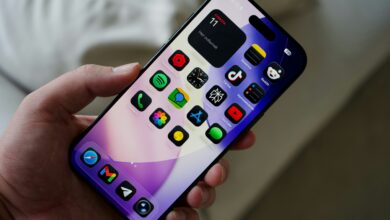
Furthermore, video content is significantly easier to share on platforms that don’t support audio-only files, like TikTok or Reels.
A thirty-second clip of a heated debate or a hilarious joke can go viral and bring thousands of new subscribers to your full episodes.
You are no longer just a voice in a pair of headphones; you are a recognizable face in a crowded digital marketplace.
Core Pillars of a Visual Growth Strategy
A. Advanced Multi-Platform Distribution and Slicing.
B. Cinematic Lighting and Professional Set Aesthetic.
C. High-Retention Editing with Visual Pattern Interrupts.
D. Integrated Community Interaction and Visual Call-to-Actions.
E. Strategic Use of Vertical Video for Viral Funneling.
F. Thumbnail and Title Synergy for Maximum Clicks.
G. Universal Search Optimization Through Video Metadata.
Designing a Set That Builds Authority
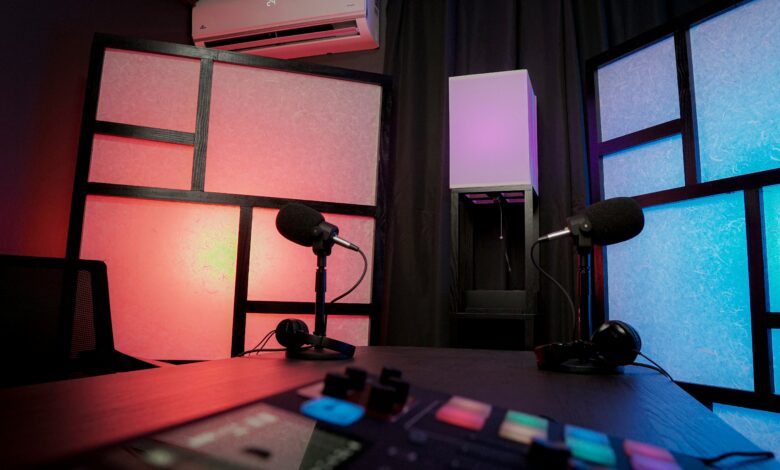
A pro-level visual podcast starts with a set that reflects the identity and the seriousness of the brand. You don’t need a million-dollar studio, but you do need a space that looks intentional and clean to the viewer.
The background of your video is essentially your “stage,” and it should provide visual interest without being distracting.
A. Background Depth to Create a Professional Bokeh Effect.
B. Brand-Consistent Color Palettes and Lighting Schemes.
C. Minimalist Furniture that Promotes Good Posture and Focus.
D. Practical Lighting like Neon Signs or Warm Lamps for Texture.
E. Sound-Absorbing Decor like Bookshelves or Acoustic Art.
Lighting is perhaps the most underrated part of the “video-first” mindset for most beginners. Using a “key light” to illuminate your face and a “rim light” to separate you from the background adds a cinematic quality.
Good lighting makes your video look expensive, which in turn makes your insights feel more valuable to the audience.
The Art of the Micro-Content Funnel
The “full episode” is the destination, but micro-content is the vehicle that brings the audience to your door. A video-first strategy allows you to create “shorts” and “reels” from every single recording session with minimal extra effort.
These short clips act as high-speed advertisements that test the “viral potential” of your different topics. A single sixty-minute podcast can easily be turned into ten high-quality vertical videos for TikTok and Instagram.
The algorithm for vertical video is much more aggressive in showing your face to people who don’t know you yet. This is the most efficient way to grow a brand in the modern era without spending a dollar on paid advertising.
When you edit these clips, make sure to add “burnt-in” captions so people can follow the story without turning on their sound.
Use a “hook” in the first three seconds to stop the scroll and keep the viewer curious about what happens next. Every clip should have a clear purpose, whether it is to educate, entertain, or provoke a strong opinion from the viewer.
High-Retention Video Editing Techniques
In a video-first world, you are competing with every other entertainer on the internet for the viewer’s limited attention.
If your video is just two people sitting still for an hour, the “watch time” metrics will likely be very low. You must use “pattern interrupts” to keep the viewer’s brain engaged and prevent them from clicking away.
A. B-Roll Footage and Images to Illustrate Key Points.
B. Frequent Camera Angle Changes for Visual Movement.
C. On-Screen Graphics and Lower-Thirds for Context.
D. Subtle Zoom-Ins During High-Emotion or Important Moments.
E. Text Overlays to Emphasize Specific Quotes or Stats.
These techniques make your podcast feel like a “show” rather than just a recorded Zoom call. Editing for video requires a different rhythm than editing for audio, focusing on visual transitions and pacing.
The goal is to ensure that there is never a “boring” moment where the screen stays exactly the same for too long.
Essential Technical Capabilities for Visual Growth
A. 4K Video Capture with High-Dynamic Range (HDR).
B. AI-Driven Automated Clipping and Subtitle Software.
C. Cloud-Based Collaborative Video Editing Frameworks.
D. Multi-Track Audio and Video Syncing Capabilities.
E. Remote Guest Recording with Local High-Def Storage.
F. Streamlined Export Presets for Various Social Platforms.
Mastering the YouTube Discovery Engine
YouTube is the “Home Base” for a video-first podcast, and mastering its algorithm is the key to explosive growth. Unlike audio platforms, YouTube provides you with detailed data on exactly when people stop watching your video.
You can use this data to see which guests are the most popular and which topics are boring your fans. The “Click-Through Rate” (CTR) is the most important number on your YouTube dashboard for discovery.
Your thumbnail and title must work together to create a “curiosity gap” that forces the user to click. Don’t just use a generic photo of your guest; use a high-contrast image that shows a strong emotion or a specific result.
SEO on YouTube is also much more powerful than in the audio world because the platform can “read” your video.
It uses your transcript, your description, and your tags to figure out exactly where to place your content. A video-first podcast is essentially a high-performance search engine magnet that brings in traffic 24/7.
Engaging the Visual Community
One of the biggest benefits of video is the ability to interact with your community in a way that feels personal. Using “Community Posts” on YouTube allows you to share polls, images, and updates with your fans between episodes.
This keeps your brand at the top of their feed and encourages them to participate in the direction of the show. During the actual video, you can use “visual calls to action” like pointing to the subscribe button or showing a QR code.
These cues are much more effective than just saying “subscribe” at the end of a long audio recording. You can also take “video questions” from your fans and show them on the screen during the episode.
When fans see their faces or names in your video, it creates a sense of belonging and community. They feel like they are part of the show rather than just passive listeners in a distant city.
A loyal, engaged community is the most valuable asset any creator can have for long-term sustainability.
Scaling Through Guest Collaboration
A video-first strategy makes it much easier to attract high-profile guests who want to grow their own visual brands.
Guests love appearing on shows that provide them with high-quality “clips” they can share with their own followers.
By providing your guests with a “social media kit” after the recording, you are essentially getting free promotion.
A. Custom Vertical Clips Featuring the Guest’s Best Quotes.
B. High-Resolution Professional Headshots from the Set.
C. Pre-Written Social Media Captions for Quick Sharing.
D. Personalized “Thank You” Videos for the Guest’s Fans.
E. Tagging and Collaborating Directly on Social Platforms.
When your guest shares a high-quality video of themselves on your set, it builds your authority by association. Their audience sees the high production value and immediately perceives you as a professional media outlet.
Collaborations are the fastest way to “borrow” trust from established experts and grow your own subscriber base.
Monetizing the Visual Medium
The opportunities for making money are much broader in a video-first podcast than in an audio-only one. Brands are willing to pay a premium for “visual integration” where their product is seen on the desk or used by the host.
A “visual shoutout” is much more powerful than a thirty-second audio ad that listeners often skip. YouTube’s own monetization tools, like “Super Chats” and “Channel Memberships,” are only available for video creators.
These allow your most loyal fans to support you directly during live streams or through exclusive visual content. You can also sell high-quality merchandise by showing it off in your videos every single week.
Furthermore, having a high-quality video show can lead to opportunities in traditional media or public speaking. Decision-makers can see your “on-camera” presence and your ability to engage an audience visually.
A video-first podcast is essentially a global business card that proves your professional value to the world.
Key Success Metrics for Video Growth
A. Average Percentage Viewed and Retention Heatmaps.
B. Click-Through Rate for Different Thumbnail Styles.
C. Conversion Rate from Short-Form Clips to Full Episodes.
D. Growth in Non-Subscriber Reach via Recommended Feeds.
E. Total Watch Time Hours Earned per Monthly Period.
F. Viewer Demographics: Age, Gender, and Location.
Overcoming Common Visual Hurdles
The move to video-first production can be intimidating because it adds another layer of complexity to the workflow.
The biggest challenge is often the “perfectionism” that stops people from starting until they have a perfect studio.
The truth is that most successful shows started with a simple webcam and a ring light in a spare bedroom. Focus on “consistency over perfection” as you build your visual brand and your technical skills.
You can upgrade your cameras and your lighting slowly as your audience and your revenue grow. The most important thing is the quality of the conversation and the value you are providing to the viewer.
Managing the large file sizes and the longer editing times is another hurdle that requires a good system. Use external hard drives and “proxies” to make the editing process faster and more manageable on your computer.
Building a streamlined workflow is the only way to stay consistent without burning out as a solo creator.
Best Practices for Content Continuity
A. Batch Recording Multiple Episodes to Stay Ahead.
B. Consistent Visual Themes and Branding Elements.
C. Maintaining a Predictable Posting Schedule for Fans.
D. Repurposing Old Content into New Visual Formats.
E. Staying Updated on New Algorithm Changes and Trends.
F. Verifying Audio and Video Sync Before Every Upload.
The Future of Immersive Podcasting
We are heading toward a future where “3D” and “Virtual Reality” podcasts will become more common for fans. A video-first strategy today prepares you for these future shifts by getting you comfortable with visual production.
Eventually, viewers might be able to “sit” in the studio with you using a headset and feel the energy of the room. AI is also making it easier to “localize” your video content for a global audience with automated dubbing.
Your face will move naturally to match a different language, allowing you to reach millions of fans in other countries.
The possibilities for global expansion are truly endless when you have a high-quality visual asset to work with. The most successful creators of tomorrow will be those who can blend technology with authentic human connection.
By putting video first, you are future-proofing your brand and ensuring you remain relevant in a visual world. The screen is your new marketplace, and the visual podcast is the best way to claim your space in it.
Conclusion

The transition to a video-first podcast strategy is the most essential move for any creator looking for long-term growth. We must recognize that the modern audience consumes information primarily through visual and short-form digital channels. Traditional audio-only models are limited by their lack of discoverability in a world dominated by visual recommendation engines. A professional set and cinematic lighting serve as the primary signals of your brand’s authority and professional value. The micro-content funnel is the most efficient way to turn casual scrollers into loyal and engaged long-form subscribers.
Editing for high retention through pattern interrupts ensures that your message is actually heard and remembered by the viewer. YouTube serves as a powerful search engine that rewards high-quality video content with 24/7 global audience traffic. Collaborating with guests becomes much more effective when you provide them with high-value visual assets for their own channels. Monetization opportunities expand significantly when a brand can be visually integrated into the actual storytelling process of the show. Ultimately, putting video first is about meeting your audience where they are and building the deepest possible connection with them.